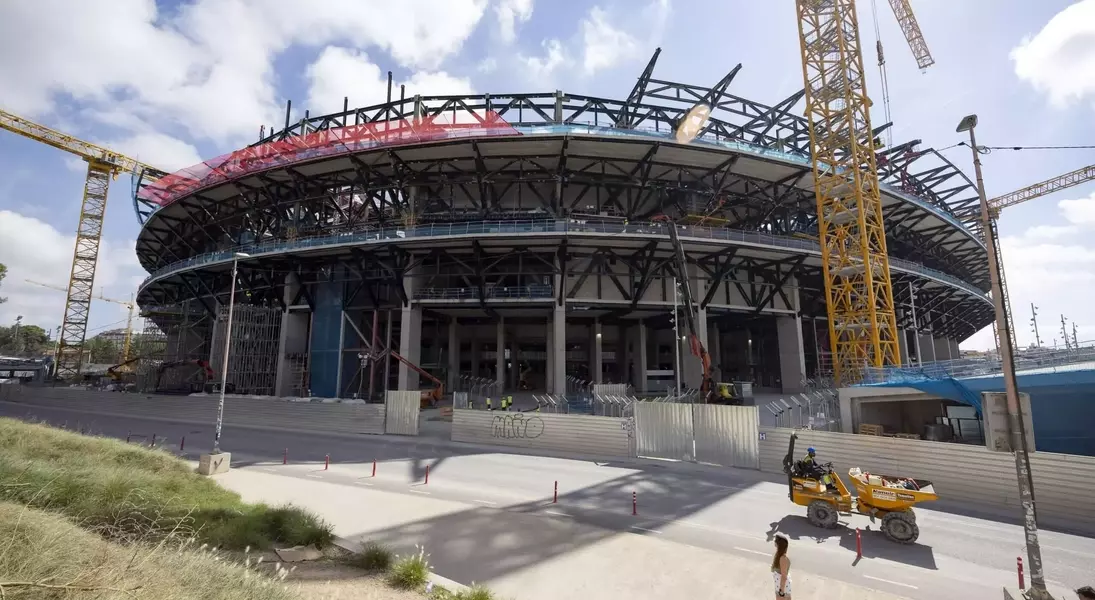

Barcelona's ambition to return to their iconic Camp Nou stadium has hit numerous snags, with construction now significantly behind schedule and no clear date for reopening. This ongoing delay, stemming from a €1.5 billion refurbishment project initiated in June 2023, has forced the club to play home matches at alternate venues, including the Estadi Johan Cruyff and Estadi Olimpic Lluis Companys. The situation has sparked a public disagreement between FC Barcelona and the city council regarding safety certifications, adding a layer of uncertainty to the club's immediate future and exacerbating its financial challenges.
Barcelona's Camp Nou Renovation: Delays, Disputes, and Displaced Matches
Barcelona, Spain – The ambitious redevelopment of FC Barcelona's legendary Camp Nou stadium is mired in delays, pushing back the club's planned return by nearly a year. The extensive €1.5 billion renovation, which began in June 2023, was initially slated for a partial reopening to coincide with the club's 125th anniversary in November 2024. However, this target has been repeatedly revised, leaving fans and players in limbo regarding future home fixtures.
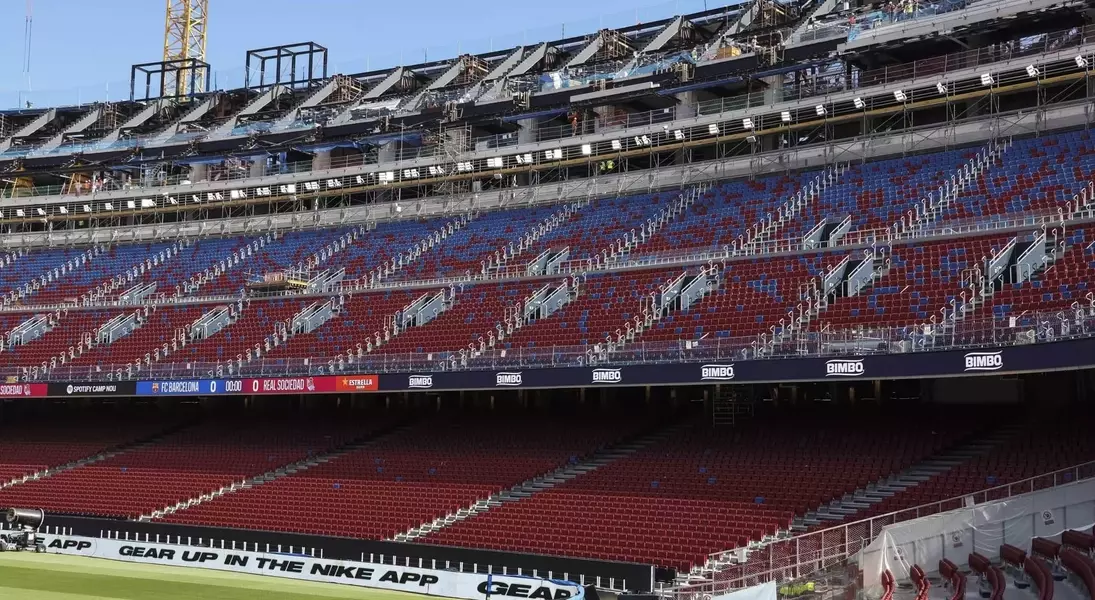
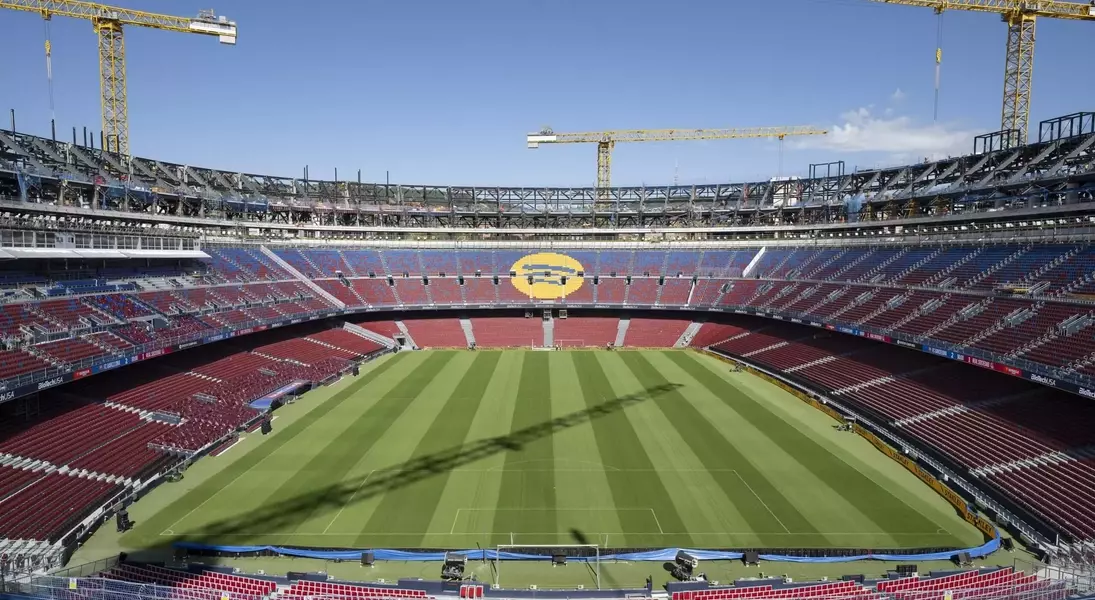
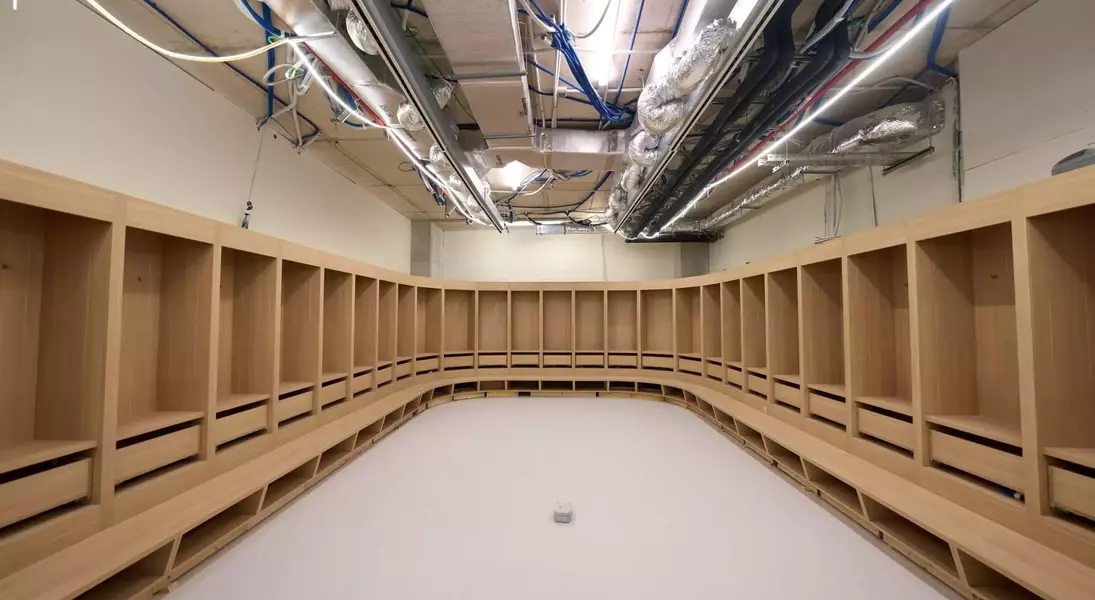
Amidst the construction chaos, FC Barcelona has been compelled to host several critical matches away from Camp Nou. Their recent La Liga encounters have been held at the 6,000-capacity Estadi Johan Cruyff near their training facilities, while a forthcoming match against Real Sociedad is scheduled for the Estadi Olimpic Lluis Companys, their temporary home for the past two seasons. The club's vice-president, Elena Fort, recently invited media for a guided tour of the revamped Camp Nou, asserting its safety despite ongoing construction and urging the local authorities to grant the necessary occupancy permits. Fort emphasized, "The Spotify Camp Nou is the safest stadium in all of Spain. You can play in the stadium."
However, the Barcelona city council presented a contrasting view. In an swiftly organized press event, officials expressed serious concerns about unresolved safety issues, particularly regarding fan access routes and emergency vehicle mobility within the site. Deputy Mayor Laia Bonet stressed the council's priority for fan safety, stating, "But the city council needs to guarantee the safety of every fan. This is our priority." Civil protection director Sebastia Massague further detailed that several elements still require rectification before a partial occupational license for 27,000 spectators can be considered.
Insiders from the first-team squad, while acknowledging the unusual circumstances of not knowing their home game locations, remain focused on their performance. They also conveyed a strong desire to return to the modernized Camp Nou. The ongoing delays carry significant financial repercussions for Barcelona, with prior estimates suggesting a loss of approximately €90 million per season played away from their primary stadium. This prolonged absence, coupled with fluctuating attendance at temporary venues, poses a substantial challenge to the club's financial stability, reflecting a broader pattern of short-term decision-making under Joan Laporta's presidency.
The uncertainty surrounding Camp Nou's reopening highlights the complex interplay between large-scale sports infrastructure projects, regulatory oversight, and financial pressures. It underscores the critical need for meticulous planning and clear communication to avoid operational disruptions and maintain public trust. For a club with Barcelona's global stature, a swift and safe resolution is paramount not only for their sporting endeavors but also for their economic health and fan engagement.
