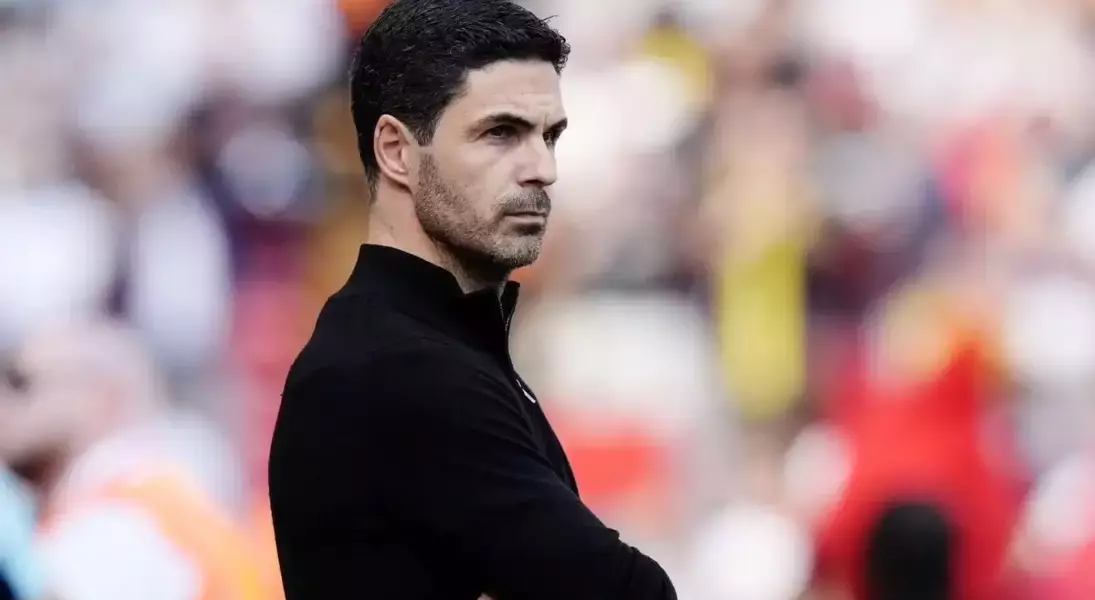
In a recent Carabao Cup fixture, Arsenal secured a 2-0 victory against Port Vale, advancing to the next round. The match saw a strong starting lineup from manager Mikel Arteta, notably including Bukayo Saka, who had recently recovered from a hamstring injury. This decision sparked debate among football analysts, with Jamie Redknapp expressing concern over the potential risks involved in playing a recently injured key player in a less crucial match.
Arteta’s choice to field Saka, who was substituted after 63 minutes, was questioned by Redknapp, who highlighted the player's recent injury history. Redknapp argued that it was a "risk" to play Saka, especially with a significant Premier League match against Newcastle on the horizon, suggesting that other players could have filled his position. He emphasized that risking a player with a recurring hamstring issue in a non-essential game seemed illogical, regardless of the sports scientists' recommendations for match minutes.
Despite the criticisms, Arteta firmly defended his decision, explaining that Saka "needs minutes" to regain his match rhythm and confidence. The manager disclosed that the England international himself was "demanding" to play, indicating the player's eagerness to return to action. Arteta stressed the importance of gradual exposure to competitive play after a period on the sidelines, affirming his belief that what he observed from Saka's performance was positive.
This situation underscores the delicate balance football managers must strike between player fitness, competitive necessity, and long-term strategic planning. While ensuring player well-being is paramount, the drive for match readiness and the players' own aspirations to compete also play significant roles in crucial decision-making. Such moments highlight the complexities of elite sports management, where every choice is scrutinized and carries potential implications for both individual athletes and team success.
