

In a compelling Champions League encounter, Arsenal showcased its strengthened roster and strategic depth, securing a decisive 2-0 away victory. The match, initially teetering on a stalemate, was dramatically altered by the introduction of two key substitutes, highlighting the team's ability to adapt and overcome pressure. This win not only marks a strong start to their European campaign but also underscores the invaluable contributions of players stepping up in critical moments, demonstrating both individual brilliance and collective resilience.
Arsenal's Tactical Masterclass in Bilbao: Super-Subs Shine and Captain's Leadership Praised
On September 16, 2025, in a highly anticipated UEFA Champions League clash at the Estadio de San Mames, Arsenal faced Athletic Club. The atmosphere was electric, marking the host team's first Champions League fixture in eleven years, which saw the Premier League giants initially struggling to impose their rhythm against a fervent Athletic Club side. Manager Mikel Arteta's tactical substitutions proved to be the turning point of the game, shifting momentum decisively in Arsenal's favor.
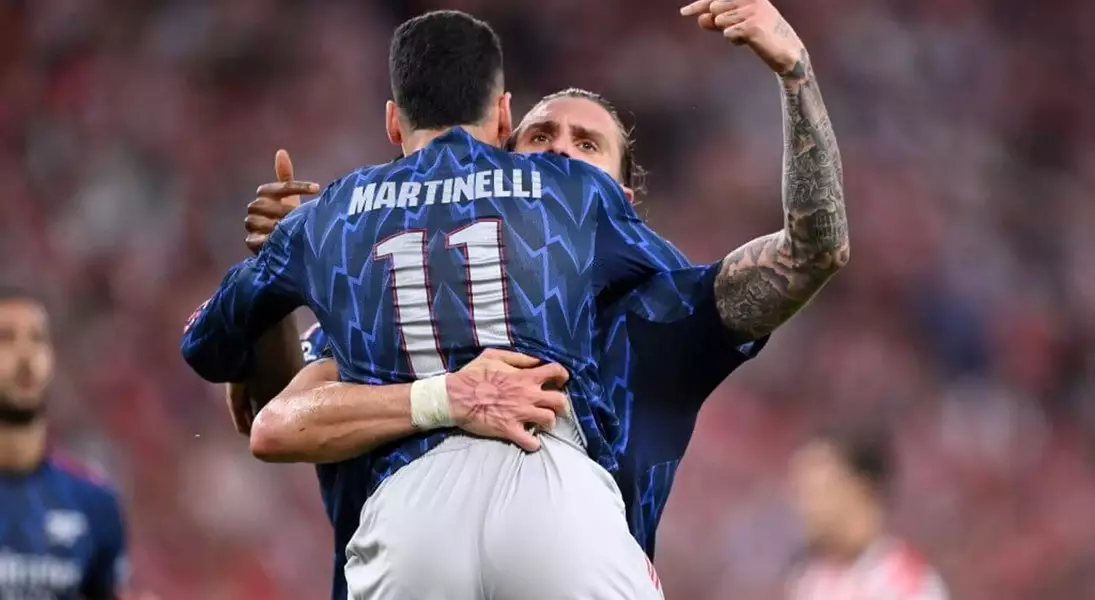
As the match progressed without a breakthrough, Arteta introduced Brazilian winger Gabriel Martinelli into the fray. Martinelli, keen to prove his worth amidst new signings, made an immediate impact, scoring a crucial goal less than a minute after entering the game. His blistering pace left defenders Andoni Gorosabel and Aitor Paredes trailing, and his precise finish through goalkeeper Unai Simon broke the deadlock. This pivotal moment underscored Martinelli's exceptional talent and his hunger to contribute.
The synergy among Arsenal's substitutes continued to shine when Martinelli, just three minutes before the final whistle, set up fellow substitute Leandro Trossard. Trossard, demonstrating his knack for decisive contributions from the bench, calmly slotted home, doubling Arsenal's lead and sealing a comprehensive 2-0 victory. This collaboration cemented Arsenal's impressive start to their Champions League journey.
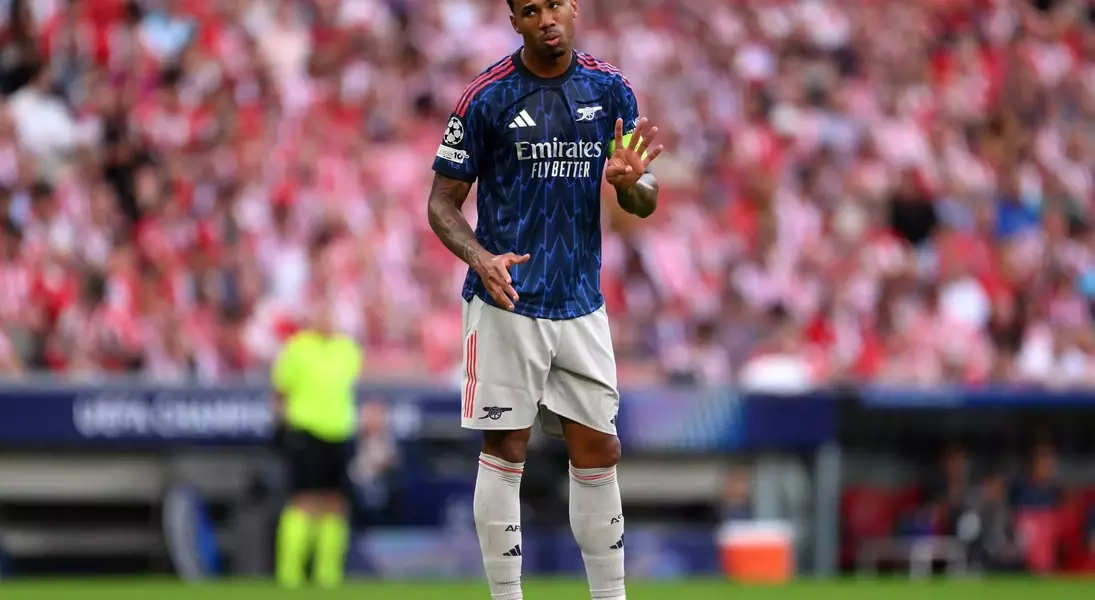
Beyond the goal-scorers, Arsenal's defense, marshaled by temporary captain Gabriel, played a significant role. With regular captain Martin Odegaard sidelined due to injury, Gabriel stepped up to lead the team, exhibiting calm authority and tactical astuteness. His leadership was particularly evident in navigating the tense moments of the game, ensuring the team remained composed under Athletic Club's aggressive onslaught. Gabriel, alongside Cristhian Mosquera, formed a formidable defensive barrier, thwarting numerous attacks and ensuring a clean sheet.
Post-match, Arteta lauded Martinelli's performance, emphasizing his commitment, positive attitude, and willingness to learn. He expressed confidence that this display would significantly boost Martinelli's self-belief. Arteta also highlighted the team's strong camaraderie, noting the genuine support players show for one another, which he believes is crucial for collective success.
Looking ahead, Arsenal faces another major challenge with a home Premier League fixture against Manchester City scheduled for September 21. This upcoming match will be a true test of their form and depth, following their successful European outing.
The Power of Adaptation: A Coach's Vision and Players' Resilience
This match served as a powerful testament to the critical role of squad depth and tactical flexibility in modern football. It highlights how a coach's ability to identify and leverage the unique strengths of individual players, especially from the bench, can dramatically alter the course of a game. Martinelli's immediate impact, driven by his natural pace and clinical finishing, exemplifies the value of having diverse skill sets within a team. Furthermore, Gabriel's commendable leadership in the absence of the regular captain showcases the importance of character and experience in maintaining team composure under pressure. This victory wasn't just about three points; it was a clear demonstration that successful teams are not merely collections of talented individuals, but cohesive units capable of adapting, responding, and ultimately thriving through collective effort and strategic insight.
