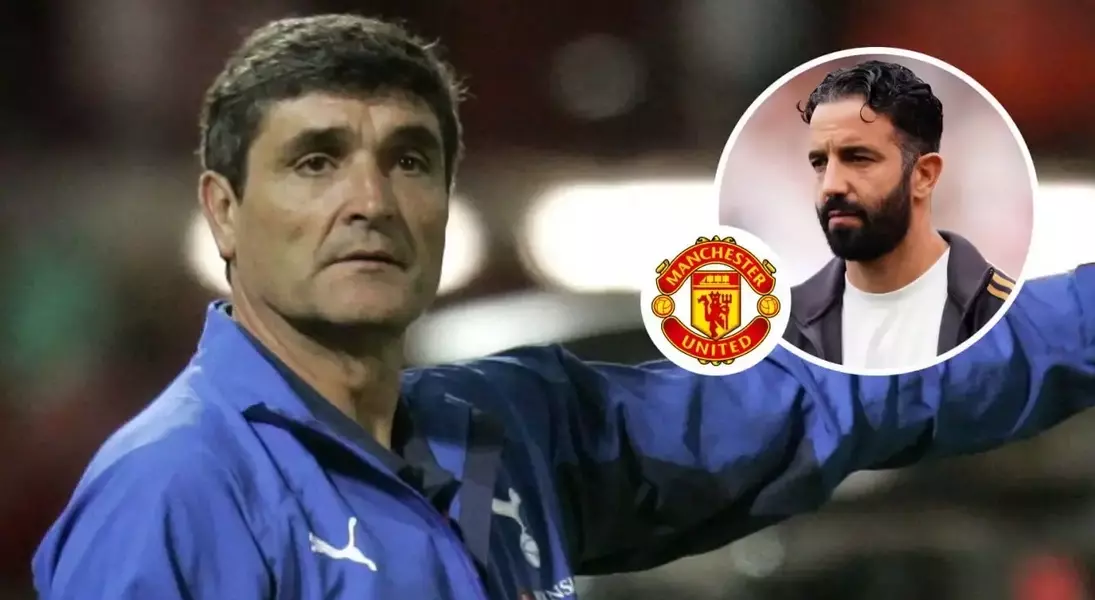
Ruben Amorim's current leadership at Manchester United is drawing striking comparisons to the turbulent final days of Juande Ramos's tenure at Tottenham Hotspur, according to insights from former Spurs player David Bentley. The Red Devils have endured a less-than-ideal beginning to the Premier League season, accumulating a mere four points from their initial four matches. This lackluster performance has sparked conversations about Amorim's future, with some observers noting a resemblance between his recent conduct and a manager seemingly attempting to orchestrate their own dismissal. Despite ongoing rumors and external pressure, reports suggest that Amorim continues to have the full backing of the Manchester United board, yet the team's struggles mirror last season's disappointing 15th-place finish.
Bentley's observations extend beyond mere performance metrics, delving into the psychological atmosphere within the club. He recalls a palpable shift in energy during Ramos's final period at Tottenham, where an initial sense of enthusiasm gradually gave way to a more disengaged and almost deliberately disruptive approach. This included peculiar training schedules and a general air of indifference, leading Bentley to believe Ramos was actively seeking an exit. Such an environment, compounded by significant player transfers like the departures of Robbie Keane and Dimitar Berbatov without adequate replacements, created a period of instability and negativity that deeply impacted the team and fans alike. The current situation at Old Trafford, with its underperformance and managerial scrutiny, evokes these past experiences for Bentley, highlighting the critical importance of a manager's presence and the stability of squad dynamics.
Amorim's Current Predicament and Historical Echoes
Ruben Amorim, the current manager of Manchester United, is facing increasing scrutiny due to the team's underwhelming start to the Premier League season. With only four points from their first four matches, the Red Devils find themselves in a precarious position, mirroring last season's struggle for European qualification. Former Tottenham player David Bentley has commented on Amorim's current demeanor, drawing a striking parallel to Juande Ramos's final days at Tottenham, suggesting a similar pattern of behavior that seemed designed to provoke dismissal. This comparison highlights the intense pressure on Amorim and raises questions about his long-term future at the club, despite claims of continued support from the board. The team's inability to secure consistent results, including a significant 3-0 loss to rivals Manchester City, has only amplified these concerns, prompting speculation about potential managerial changes if results do not improve in upcoming fixtures against Chelsea, Brentford, and Sunderland.
The current atmosphere surrounding Amorim's management at Manchester United resonates with David Bentley's recollections of Juande Ramos's departure from Tottenham. Bentley vividly remembers an initial period of positive energy under Ramos that gradually dissipated, giving way to a sense of detachment and unusual managerial decisions, such as altering training times without clear justification. This shift in leadership style contributed to a negative environment within the club, which Bentley interpreted as a manager deliberately trying to get sacked. Coupled with the disruptive transfers of key players like Robbie Keane and Dimitar Berbatov, whose departures were not swiftly addressed with suitable replacements, the team experienced a period of significant instability. Bentley's insights suggest that the managerial approach, combined with external factors like player movements and board decisions, can profoundly influence team morale and performance. The parallels he draws with Amorim's current situation indicate a perceived decline in engagement or a strategic move that could lead to a similar outcome for the Manchester United manager.
Managerial Stability and Squad Cohesion: Lessons from the Past
The challenges currently faced by Ruben Amorim at Manchester United underscore the critical importance of managerial stability and strong squad cohesion in professional football. Bentley's comparison to Juande Ramos's exit from Tottenham serves as a cautionary tale, illustrating how a manager's perceived disengagement can quickly erode team morale and performance. The Red Devils' disappointing start to the season, marked by poor results and a failure to secure European qualification last year, suggests underlying issues that extend beyond mere tactics. The public refusal by Amorim to alter his philosophy or formation after a significant defeat further emphasizes a potential disconnect between the manager's vision and the team's on-field realities, creating an environment where speculation about his job security becomes inevitable, regardless of the board's official stance.
Reflecting on the tumultuous period under Juande Ramos at Tottenham, David Bentley recalls how the loss of key players such as Robbie Keane and Dimitar Berbatov, exacerbated by a perceived dragging of transfer negotiations by Daniel Levy, significantly impacted the squad. This created a climate of uncertainty and discontent, leading to what Bentley described as players "sulking" and a general breakdown in team spirit. The lack of immediate and effective replacements for vital positions further destabilized the club, contributing to a sense of disarray. These historical events highlight that a manager's behavior, combined with external factors like transfer market activity and boardroom decisions, can have a profound and lasting effect on a team's overall success and the psychological well-being of its players. The current situation at Manchester United, if not carefully managed, risks replicating the negative experiences Bentley witnessed, where a perceived lack of commitment from the manager and disruptions in the squad can precipitate a downturn in fortunes.
