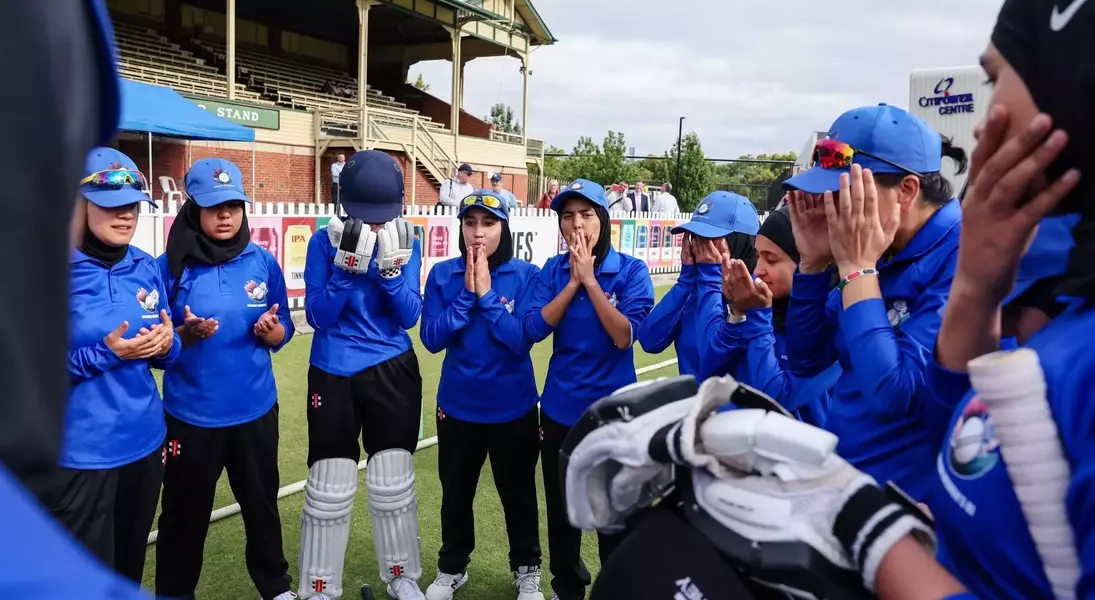
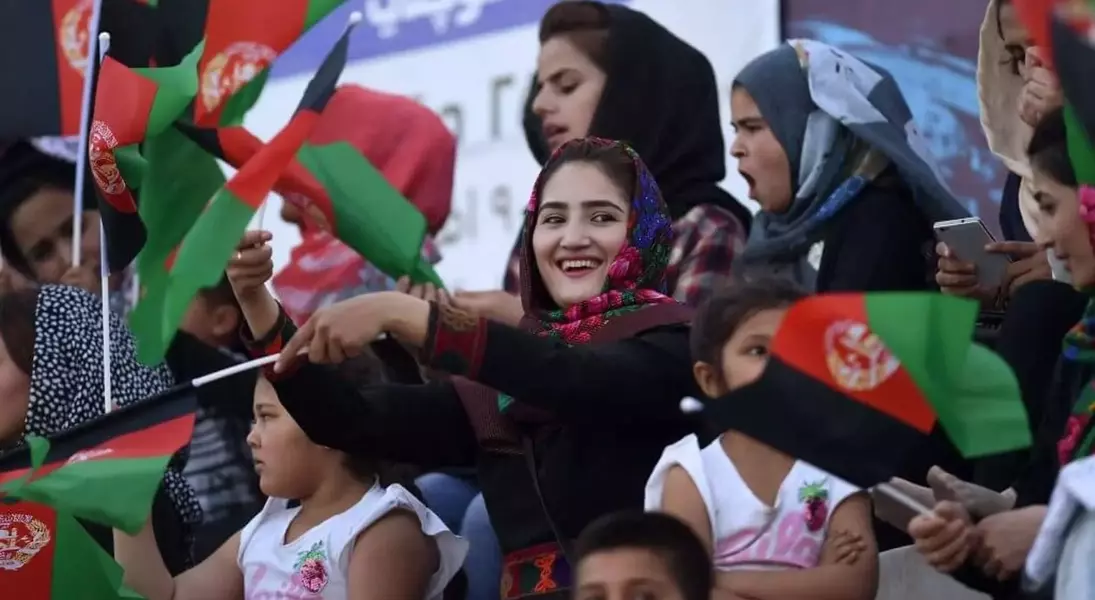
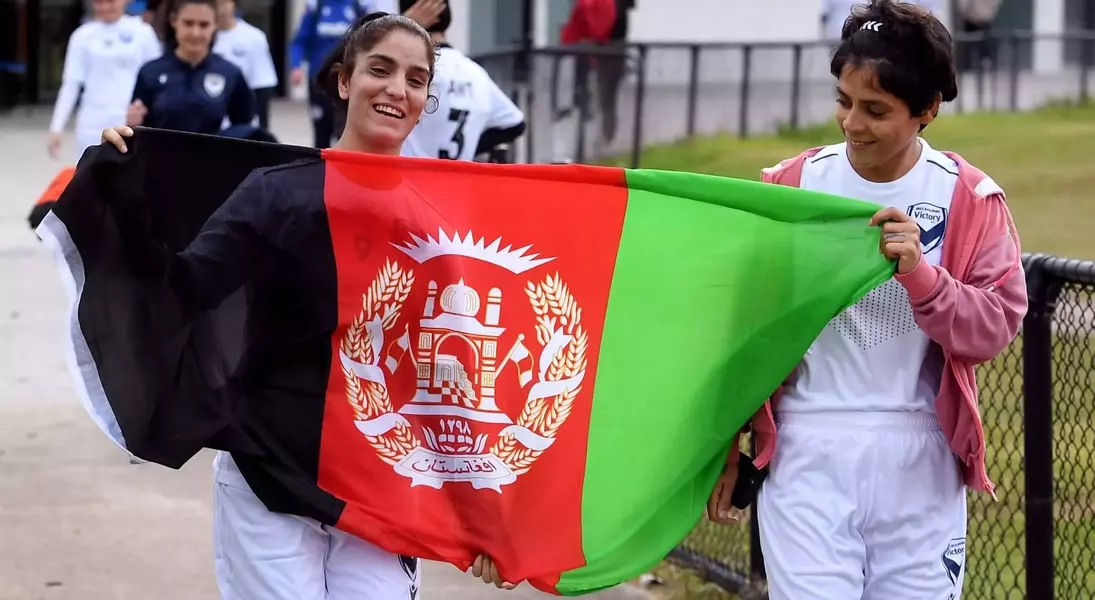
Afghan female refugee football players residing in the United States are currently facing exclusion from the FIFA-sanctioned training camps designed for the new Afghanistan women's refugee squad. This situation means these athletes are unable to participate in the selection process for the team, a development that has caused considerable distress and frustration. The decision stems from FIFA's stated safety concerns regarding organizing camps within or outside the U.S. for these players. Despite being legally eligible to live, work, and travel in the U.S., these players find themselves at a disadvantage compared to their counterparts in Australia and Europe who have already attended such camps. For many, football represents a crucial link to their heritage and a platform to advocate for Afghan women globally, particularly in the wake of the Taliban's prohibition on women's sports in their home country.
In May, FIFA officially recognized a team composed of evacuated Afghan female players who had obtained refugee status internationally. This initiative aimed to allow them to participate in matches under the global football governing body's oversight, with an emphasis on player safety and well-being. Camps have since been conducted in various locations, including Australia and Europe, involving numerous coaches. However, a recent announcement from FIFA informed U.S.-based players that a similar opportunity would not be extended to them. This has effectively barred them from consideration for the refugee team, which seeks to provide a competitive outlet for these athletes.
The current situation highlights the ongoing challenges faced by Afghan female athletes, whose dreams of playing professionally were shattered by the Taliban's return to power in 2021. Since then, women's sports have been banned across Afghanistan, and the Afghan Football Federation no longer acknowledges its women's teams. Consequently, Afghanistan's women's national team has not played an official match since 2018 and has been removed from FIFA's world rankings. Many players, like Zahra (Zed) Sultani, a former under-17 international, found renewed hope in FIFA's refugee team initiative, only to have it diminished by the exclusion of U.S.-based players.
Players like Sultani, who is based in Houston, where a significant number of the 22 Afghan footballers resettled by FIFA reside, expressed profound disappointment. She articulated that football has always been her identity and a symbol of freedom. The cancellation of the U.S. camp felt like a further blow after enduring immense pain and sacrifice. Another former national team player, Sodaba Khinjani, described the decision as "deeply painful" and "unacceptable," arguing there should be no distinction between players based on their current country of residence. Nilofar Mumtaz, another affected player, reiterated their determination not to give up, despite the emotional toll of being separated from families and now facing exclusion from a critical opportunity.
In response to inquiries, FIFA reiterated its commitment to player safety and well-being as a top priority. The organization stated that the project, which it pioneered, involves navigating complex legal and logistical measures to ensure safe participation. FIFA acknowledged that addressing diverse logistical challenges takes time but affirmed its dedication to involving more players progressively. The governing body maintains contact with the U.S.-based players and is actively exploring future participation opportunities, always upholding the highest safeguarding standards. This ongoing dialogue is crucial as these athletes continue their fight to reclaim their place in international football.
The broader context of this situation involves the plight of over 75 individuals associated with Afghanistan's women's senior football team, including players and officials, who were evacuated to countries like Australia and various European nations following the Taliban's takeover. FIFA played a significant role in assisting the evacuation of approximately 160 people in October 2021, with a majority being women and children, including female players. The United Nations has characterized Afghanistan's restrictive policies against women, such as the ban on education, as potentially amounting to "gender apartheid." Since August 2021, the U.S. has admitted more than 190,000 Afghans, further emphasizing the large community of refugees seeking new beginnings and opportunities, including in sports.
This development underscores the continued struggle for Afghan women's rights and opportunities, particularly in a global sport like football. The players' voices resonate with a strong desire to heal, compete, and demonstrate to the world that Afghan women belong in football. Their unwavering spirit in the face of adversity highlights the importance of providing equitable access to international platforms, ensuring that all eligible players have the chance to pursue their athletic dreams and represent their community with pride.
