





The 2025-26 UEFA Champions League season is set to begin, bringing with it a fresh slate of competition and renewed hopes for Europe's elite clubs. This comprehensive analysis evaluates all 36 teams vying for the coveted trophy, offering a ranked overview based on current form, squad depth, strategic changes, and historical performance. From emerging forces to established giants, each club's prospects in this highly anticipated tournament are considered, highlighting the key factors that could determine their success or struggles in the league phase and beyond.
As the tournament progresses, the dynamics of each team's journey will unfold, revealing unexpected triumphs and challenges. The ranking presented here serves as a prelude to the unfolding drama, inviting fans to speculate on which clubs will defy expectations and which will struggle to meet them. With the expanded format introducing more teams and diverse matchups, the path to European glory promises to be more unpredictable and exciting than ever before.
The Underdogs and Emerging Contenders
This segment delves into the teams positioned lower in the rankings, often characterized by their debut appearances, historical struggles, or significant squad overhauls. Clubs like Kairat and Pafos FC, representing less prominent footballing nations, are highlighted for their remarkable achievements in reaching this stage. Their participation underscores the expanded reach of the Champions League's new format, offering smaller sides an unprecedented opportunity to compete against Europe's best. These teams, despite facing formidable opponents, are noted for their potential to cause upsets, often leveraging factors like geographical distance or a passionate home crowd. The inclusion of new names like Kairat, located further east than Mumbai, and Pafos, a relatively young club founded just before the 2014 World Cup, exemplifies the diverse tapestry of this season's competition.
Further up the lower tier, teams such as Qarabag, Bodo/Glimt, and Copenhagen demonstrate varying degrees of European experience and ambition. Qarabag, with their long-serving manager Gurban Gurbanov, aims to improve on past group stage performances. Bodo/Glimt, known for their resilience in Arctic conditions, poses a unique challenge to any visiting team. Copenhagen, having made knockout rounds in previous seasons, enters with a blend of promising talent, like Youssoufa Moukoko, and a desire to make a deeper run. Other teams in this category, including Olympiacos, Slavia Prague, Club Brugge, Galatasaray, Union Saint-Gilloise, Benfica, and Sporting CP, are also examined for their distinctive narratives, from unexpected league titles to strategic player acquisitions and the challenges of adapting to new managerial styles or significant player departures. These clubs, while not outright favorites, contribute to the tournament's allure by offering potential surprises and showcasing diverse footballing philosophies.
Mid-Tier Challengers and Top Contenders
This section explores the teams positioned in the middle and upper echelons of the Champions League rankings, encompassing those with strong domestic performances and significant European aspirations. Clubs like Monaco, Villarreal, Borussia Dortmund, Ajax, and Eintracht Frankfurt represent a mix of tactical innovation, youthful talent, and the pressures of maintaining consistent high performance. Monaco, with their high-profile yet unpredictable signings, and Villarreal, grappling with key player departures, face the challenge of integrating new elements while competing at an elite level. Borussia Dortmund, despite a recent dip in their status, and Ajax, under new leadership after a turbulent period, are striving to reclaim their formidable European presence. Eintracht Frankfurt's strategic reliance on 'shrewd' signings following significant sales adds another layer of intrigue to their campaign.
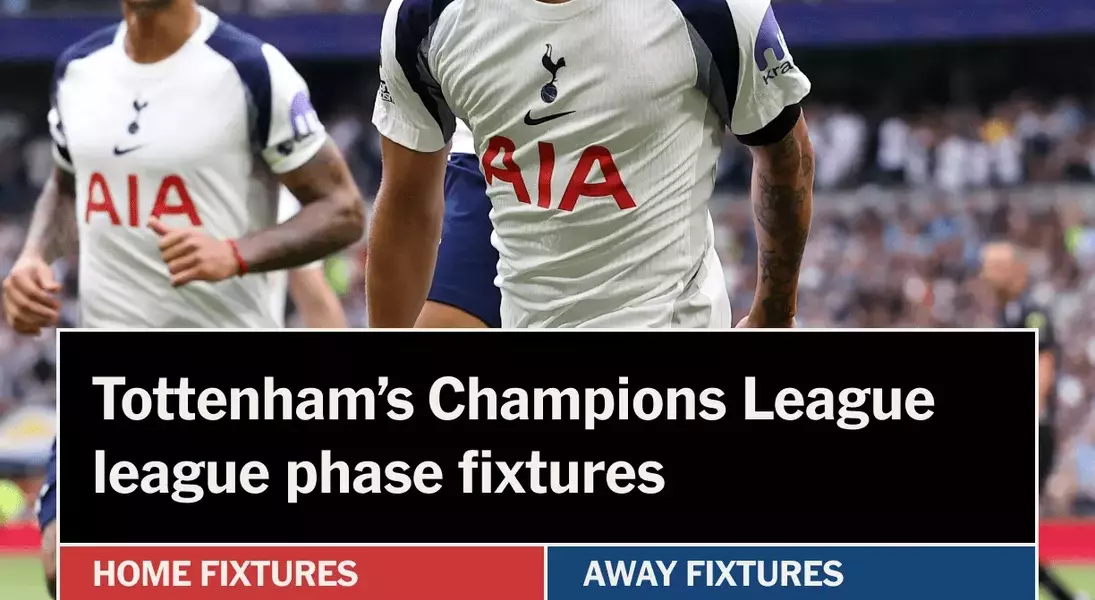
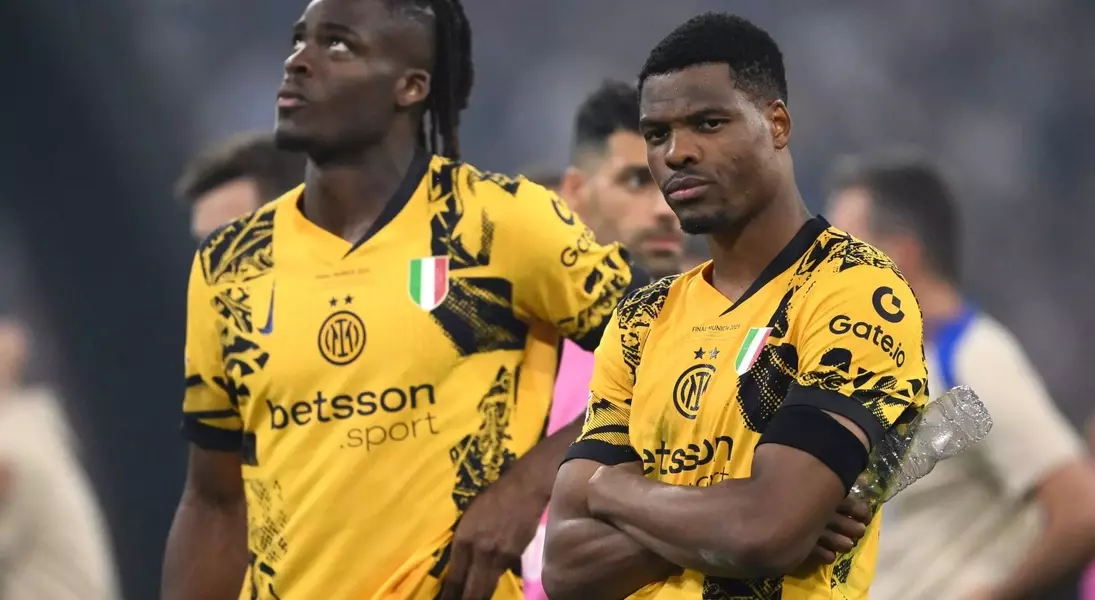
Moving towards the top, powerhouses such as Marseille, Atalanta, Newcastle United, PSV, Tottenham Hotspur, Athletic Club, Juventus, Bayer Leverkusen, and Inter are evaluated for their potential to disrupt the established order or consolidate their positions. Marseille, under the dynamic Roberto De Zerbi, promises an entertaining, if unpredictable, run. Atalanta, known for surprising European performances, faces the test of continuing success without its past tactical architect. Newcastle United, PSV, and Tottenham Hotspur all confront unique challenges related to key player transfers, squad depth, or adapting to new managerial philosophies. Juventus and Inter, both with rich European histories, are in periods of transition, seeking to leverage new signings and tactical adjustments to achieve glory. Bayer Leverkusen's significant managerial and player turnover, and Atletico Madrid's consistent, yet often frustrating, deep runs in the competition, set the stage for compelling narratives as these clubs battle for supremacy in the Champions League.
